
Volcanoes National Park is part of the Virunga Massif ecosystem shared with Virunga National Park and Bwindi Impenetrable National Park, home to the endangered mountain gorillas. To strengthen conservation and improve ecological connectivity, Rwanda has initiated a major expansion of Volcanoes National Park by 23%, adding approximately 10,000 hectares to the current protected area. About 3,740 hectares of this land will be used for park restoration and wildlife habitat, while more than 6,000 hectares will serve as a buffer zone between the park and the surrounding communities. This expansion is not only a conservation effort but also a development opportunity. Ensuring that neighbouring communities benefit from tourism and conservation is critical for the park's long-term protection.
Red Rocks Initiative and Community-Based Ecotourism
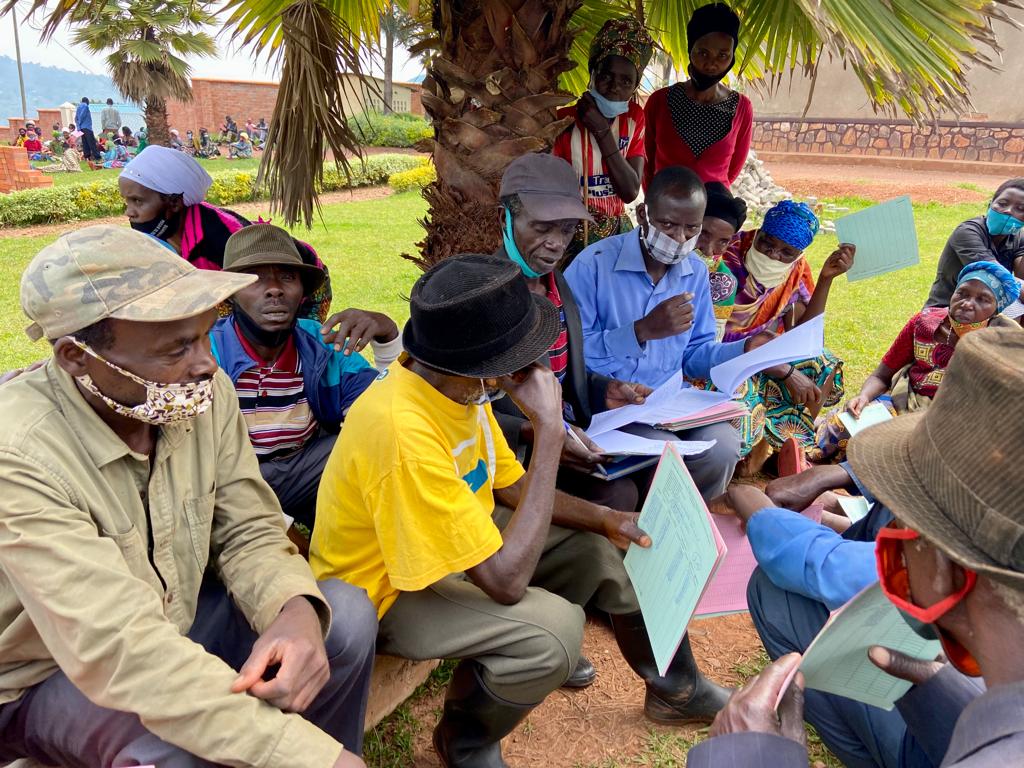
The Red Rocks Initiative operates near Volcanoes National Park and supports this conservation vision through a community-centered ecotourism model that links tourism, conservation, and community development. The initiative creates tourism experiences that generate income for local residents while encouraging the protection of natural resources. The model is based on a simple principle: when communities benefit economically and socially from tourism, they become strong partners in conservation. By promoting alternative livelihoods and community-led tourism experiences, the initiative helps reduce pressure on the park’s natural resources while supporting the objectives of the park expansion. Tourism activities are integrated with community programs in villages surrounding the park, with community members participating as guides, artisans, farmers, performers, and hosts.
Visitors take part in a wide range of environmental, cultural, and community-based experiences that support both conservation and local livelihoods. Environmental activities include tree-planting and reforestation initiatives that help restore degraded land near the park and strengthen the buffer zone, as well as soil conservation measures such as the use of biodegradable banana seed bags to prevent erosion and protect community farmland. These activities contribute to climate resilience and environmental stewardship in landscapes surrounding the park. Cultural and creative experiences involve women’s cooperatives producing traditional baskets, mats, and crafts that are sold to visitors, while tourists can observe or participate in basket-weaving and art workshops that preserve traditional skills. Through the Art for Conservation initiative, local artists create sculptures, paintings, and crafts inspired by wildlife and the ecosystems of Volcanoes National Park, raising awareness about conservation while generating sustainable income. Many households near the park rely on small-scale farming, and the initiative supports farmers through training in organic agriculture, composting, and biodiversity-friendly practices. Visitors can also engage with local agriculture by touring community farms and learning about organic farming, composting, and biodiversity-friendly agricultural practices that support soil health and sustainable food production. Tourism also contributes to community initiatives: some visitors volunteer in local schools by helping renovate classrooms or donating learning materials, others support sanitation projects such as the construction of pit latrines for households without adequate facilities, and a botanic garden established by the initiative preserves indigenous and medicinal plants while serving as an educational space where visitors learn about biodiversity and traditional knowledge.
Through these combined initiatives, more than 100 families have benefited from improved livelihoods, sanitation, education, and conservation awareness. By linking community-based tourism with environmental protection, the Red Rocks Initiative helps ensure that the expansion of Volcanoes National Park is supported by local communities who see tangible social and economic benefits from conservation. This approach strengthens local stewardship of natural resources while reinforcing the long-term sustainability of the park and its surrounding landscapes.


